Narratives with Flavor: Culinary Memoir Reviews

Today’s chosen theme: Narratives with Flavor: Culinary Memoir Reviews. Welcome to a home page where memory simmers, sentences sizzle, and every page tastes like a favorite dish revisited. Settle in, follow along, and subscribe for weekly servings of soulful, appetite-stirring reading.

The Flavor of Memory: Why Culinary Memoirs Captivate

Great culinary memoirs use sensory precision—pan hiss, citrus zest, browned butter—to summon appetite and emotion at once. Vivid verbs and textured nouns turn meals into memories. Which sentences ever made you close the book, breathe in, and suddenly want to sauté something immediately?
A saffron thread can stand for migration; a dented stockpot can hold a family’s arguments and reconciliations. In the best narratives, ingredients narrate arcs of heritage and hope. Share a humble ingredient from your past that deserves a starring role in a chapter.
Like a perfect reduction, culinary memoirs concentrate conflict. Service rushes, failing ovens, family feasts gone sideways—pressure transforms character. Think of Anthony Bourdain’s relentless line, or a holiday roast skating toward disaster. Subscribe for fresh takes on pacing that tastes like urgency, not haste.

Reading Notes on Cornerstone Culinary Memoirs

Published in 2000, Bourdain’s briny swagger and knife-sharp honesty exposed the chaotic, bruised beauty of professional kitchens. It reframed the genre with back-of-house candor and dark humor. Did your first read leave you shocked, delighted, or suddenly curious about the night shift’s secret rituals?

Reading Notes on Cornerstone Culinary Memoirs

Reichl’s formative feasts, from risky family experiments to revelatory bites, prove appetite is biography. Her mother’s notorious parties—equal parts chaos and curiosity—become lessons in taste, trust, and resilience. Which story made you laugh, wince, and then call someone to share a memory of your own?
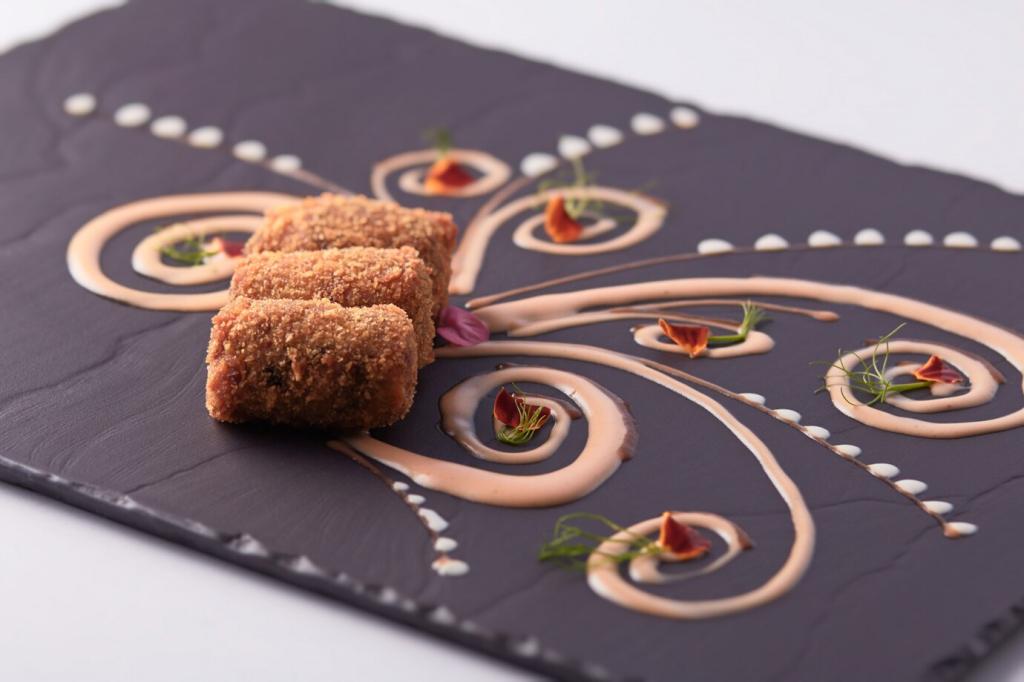
Instead of “delicious,” strong memoirists name textures, temperatures, and transformations. They write crisp snap, silken crumb, pepper blooming in olive oil. Specificity builds trust and appetite. Try annotating your next chapter with a sensory margin: sound, scent, temperature, texture, and aftertaste. Share your annotations with us.

Senses and Style: How Writers Season Their Stories

Culture, Identity, and Ethics at the Table

Diaspora Kitchens and Inherited Technique

In Yes, Chef, Marcus Samuelsson navigates Ethiopian roots, Swedish upbringing, and Harlem reinvention, tasting belonging through craft. Flavor becomes a migration map. Whose pantry taught you to translate home across oceans or neighborhoods? Share a passed-down technique you still hear in a relative’s voice.

Authenticity, Attribution, and Power

Culinary memoirists shape public taste; they also shoulder the duty to credit teachers, aunties, markets, and communities. From M. F. K. Fisher’s early influence to today’s writers, citation is a spice of integrity. Join the conversation: how do you spot generous, ethical storytelling on the page?

When Comfort Food Carries Complexity

Diana Abu-Jaber’s The Language of Baklava stirs sweetness with displacement, humor with boundary-crossing hunger. Comfort food can hold grief and grit. Tell us about a dish that comforted you while quietly telling a complicated story. Your comment might inspire our next reading guide.

From Page to Plate: Reading That Invites Cooking

Try a simple beurre blanc while reading My Life in France, or steak frites after a gritty Bourdain chapter. Keep pairings low-pressure, high-pleasure. Post a photo of your pairing and tag your tasting notes; we might feature your menu in an upcoming newsletter.

From Page to Plate: Reading That Invites Cooking

Choose one memoir, three bite-sized dishes, and a question per course. Begin with origin stories, move to technique, finish with legacy. Share leftovers and reflections. Invite friends to subscribe, so everyone receives the next reading list and shopping suggestions ahead of time.

Write Your Own Edible Narrative

Stock your counter with prompts: first burned toast, first triumphant sauce, first market that felt like home. Write one scene per day, anchored by a smell. Share a paragraph in the comments, and invite feedback from fellow flavor-collectors here.

Write Your Own Edible Narrative

Decide whether your tone is brash, tender, or wry. Read aloud to catch rhythm; taste for over-seasoned adjectives. Let contradictions live—professional precision beside messy longing. Subscribe for our monthly prompt ladder designed to build voice like a slowly emulsified aioli.
Cbtopone
Privacy Overview

This website uses cookies so that we can provide you with the best user experience possible. Cookie information is stored in your browser and performs functions such as recognising you when you return to our website and helping our team to understand which sections of the website you find most interesting and useful.